
PLANTAR FASCIITIS
Plantar Fasciitis & Heel Pain — Podiatry Care in Surprise, AZ
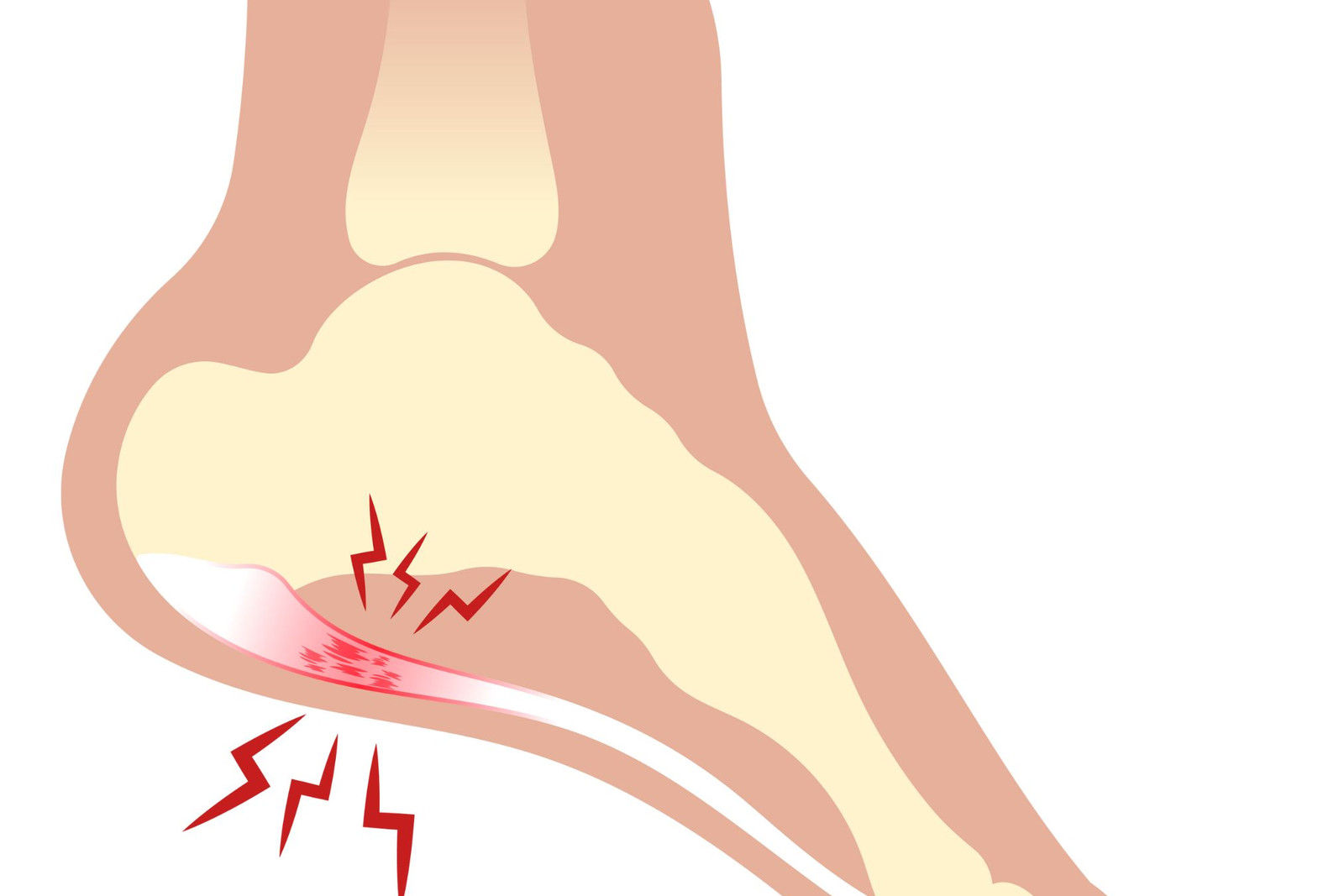
Stabbing heel pain—especially with your first steps in the morning—is most often caused by plantar fasciitis. Several other conditions can mimic it, so a proper diagnosis is the first step toward lasting relief.
Make an AppointmentPlantar fasciitis is the most common cause of heel pain. It's an irritation of the plantar fascia — the thick band of tissue running along the bottom of your foot from your heel to your toes. The good news: most cases improve with the right care, and you have more options than you might think.
Common signs
- Sharp heel pain with your first steps in the morning
- Pain that eases as you move, then returns after standing or resting
- Tenderness at the bottom of the heel
- Discomfort that's worse after activity, not during it
What usually helps
- Calf and foot stretching, done consistently
- Supportive footwear or custom orthotics
- Rest, ice, and small changes to activity
- In-office options when heel pain won't settle on its own
Not sure whether your heel pain is plantar fasciitis? Tell us what you're feeling and we'll help you understand your options — no appointment needed.
Plantar Fasciitis
Heel pain, especially stabbing heel pain, is most often caused by plantar fasciitis, a condition that is sometimes also called heel spur syndrome when a spur is present. Heel pain may also be due to other causes, such as a stress fracture, tendonitis, arthritis, nerve irritation, or, rarely, a cyst. Because there are several potential causes, it is important to have heel pain properly diagnosed, to distinguish between all the possibilities and determine the underlying source of your heel pain.
Plantar Fibroma
The characteristic sign of a plantar fibroma is a noticeable lump in the arch that feels firm to the touch. This mass can remain the same size or get larger over time, or additional fibromas may develop. It can develop in one or both feet, is benign (nonmalignant), and usually will not go away or get smaller without treatment.
How Plantar Fasciitis Is Treated
Most plantar fasciitis improves without surgery. Treatment is staged: start with the measures that resolve the majority of cases, and escalate only if the pain has not settled. Here is the order we work through, and what to expect from each.
First-line care, which resolves most cases
- Targeted stretching. Calf and plantar fascia stretches, done daily rather than occasionally. This is the measure with the most evidence behind it, and also the one most often abandoned too early.
- Footwear and support. Shoes with genuine arch support and a cushioned heel. Over-the-counter inserts help some people; a custom orthotic is worth considering when foot mechanics are driving the problem.
- Activity adjustment. Not bed rest — reducing the specific loading that aggravates it while keeping you moving.
- Ice and anti-inflammatory measures for symptom control while the tissue settles.
- Night splints for people whose worst pain is those first steps in the morning, which is most people.
If first-line care is not enough
- Custom orthotics made to your foot rather than a generic insert.
- Physical therapy built around your gait and calf flexibility.
- Corticosteroid injection for pain that is limiting daily activity. It helps many people, though the effect can be temporary and repeated injections carry trade-offs we will talk through honestly.
- A walking boot for a short period in stubborn cases.
When heel pain has lasted months
A meaningful minority of people do not settle with the measures above. If you have had heel pain for more than six months, have already tried stretching, orthotics and at least one injection, and it still limits what you can do — you have not run out of options, and you should not be told to live with it. Further treatments exist for exactly this situation. Ask us what applies to your case, because the right next step depends on what you have already tried and why it did not hold.
What happens at your first visit
We examine the foot, check where the tenderness actually sits, and look at how you walk. Heel pain is not always plantar fasciitis, so part of the visit is ruling out the conditions that mimic it. Imaging is used when it will change the plan, not routinely. You leave with a specific plan rather than general advice.
How long it takes
Be realistic: plantar fasciitis is usually measured in months, not weeks. Most people notice meaningful improvement within six to twelve weeks of consistent first-line care. The people who do worst are usually the ones who stretch for ten days, feel better, and stop. Individual recovery varies.
Contact us if heel or arch pain is limiting your activity — most patients improve significantly with conservative care.